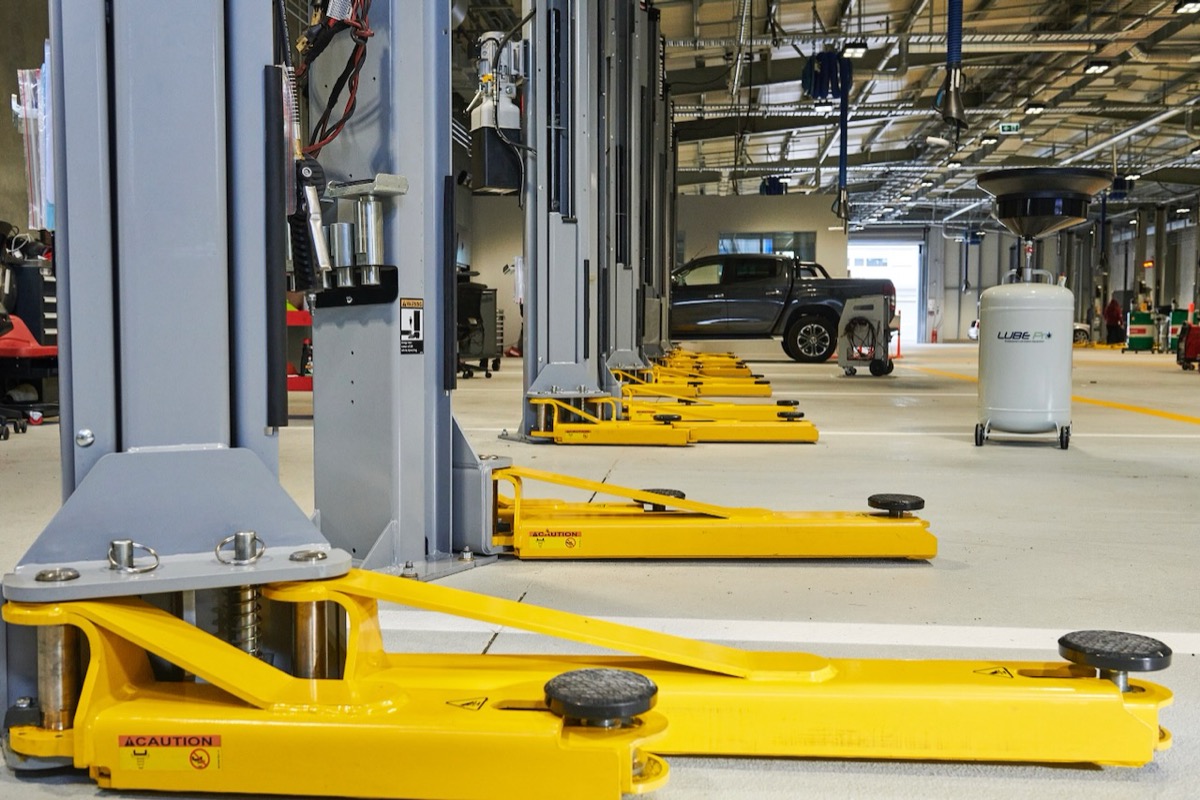
Installed right, from the start.
A hoist is only as good as its installation. Foundation preparation, levelling, anchoring, electrical connection, hydraulic setup, calibration, and final commissioning all matter — and mistakes here don’t announce themselves immediately. They show up later as wear, faults, and unsafe operation.
We treat installation as a precision task, not a logistics exercise. Our work is methodical, documented, and carried out to a standard that supports safe operation, straightforward certification, and long equipment life.
Installation done properly is rarely the cheapest part of a project — but it is the part that determines everything that follows, and it pays back quietly over the life of the equipment.
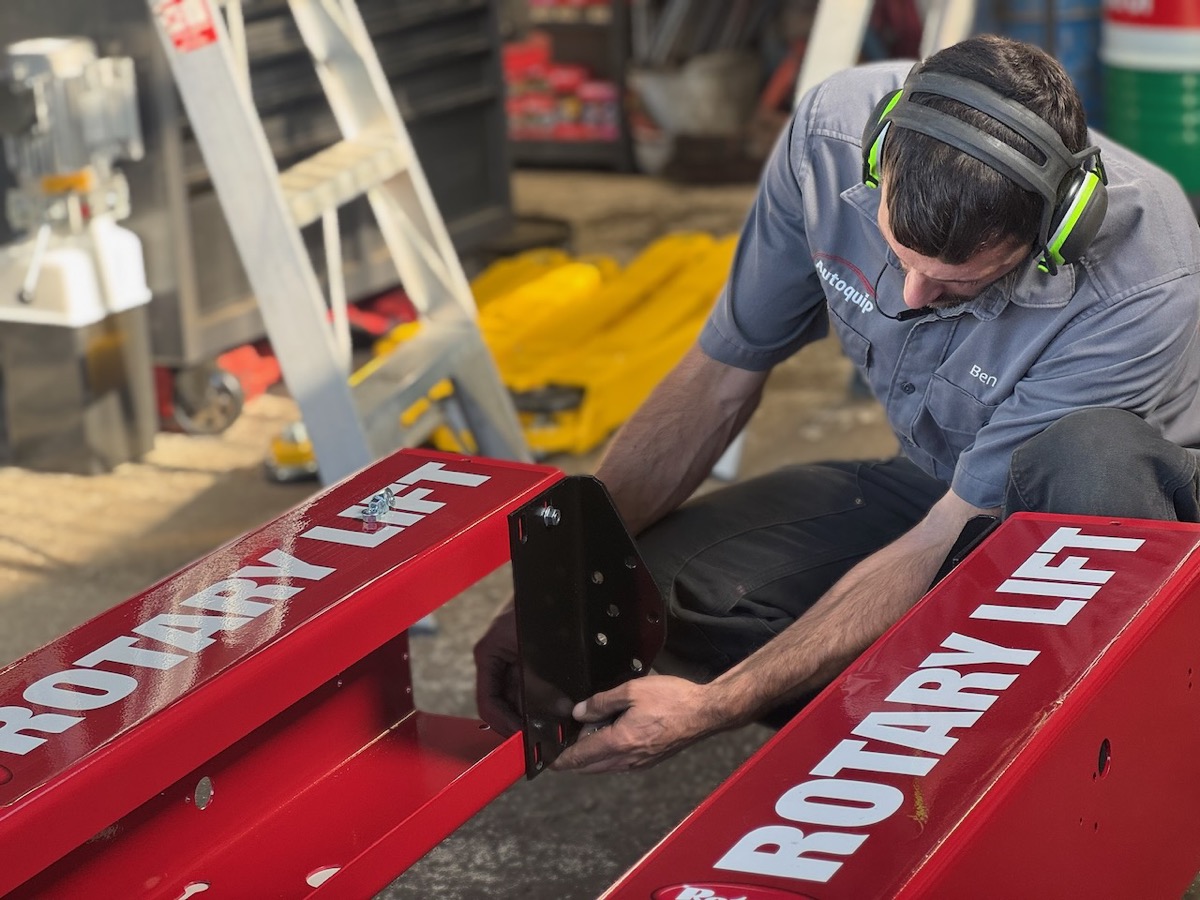
We are not tied to any importer or brand. Specification decisions are made based solely on what suits your operation — not on what we’re incentivised to move.
That independence allows us to specify and supply equipment based solely on what suits your operation, not what we’re incentivised to move.
Once a direction is agreed, we can then take responsibility for supply and delivery. Through long-standing industry relationships, we hold installer pricing (or better) with most suppliers, allowing us to supply equipment at genuine trade rates where appropriate.
Combined with our installation capability, this provides true turn-key delivery: specification, supply, installation, commissioning, and ongoing support — with one point of accountability throughout.
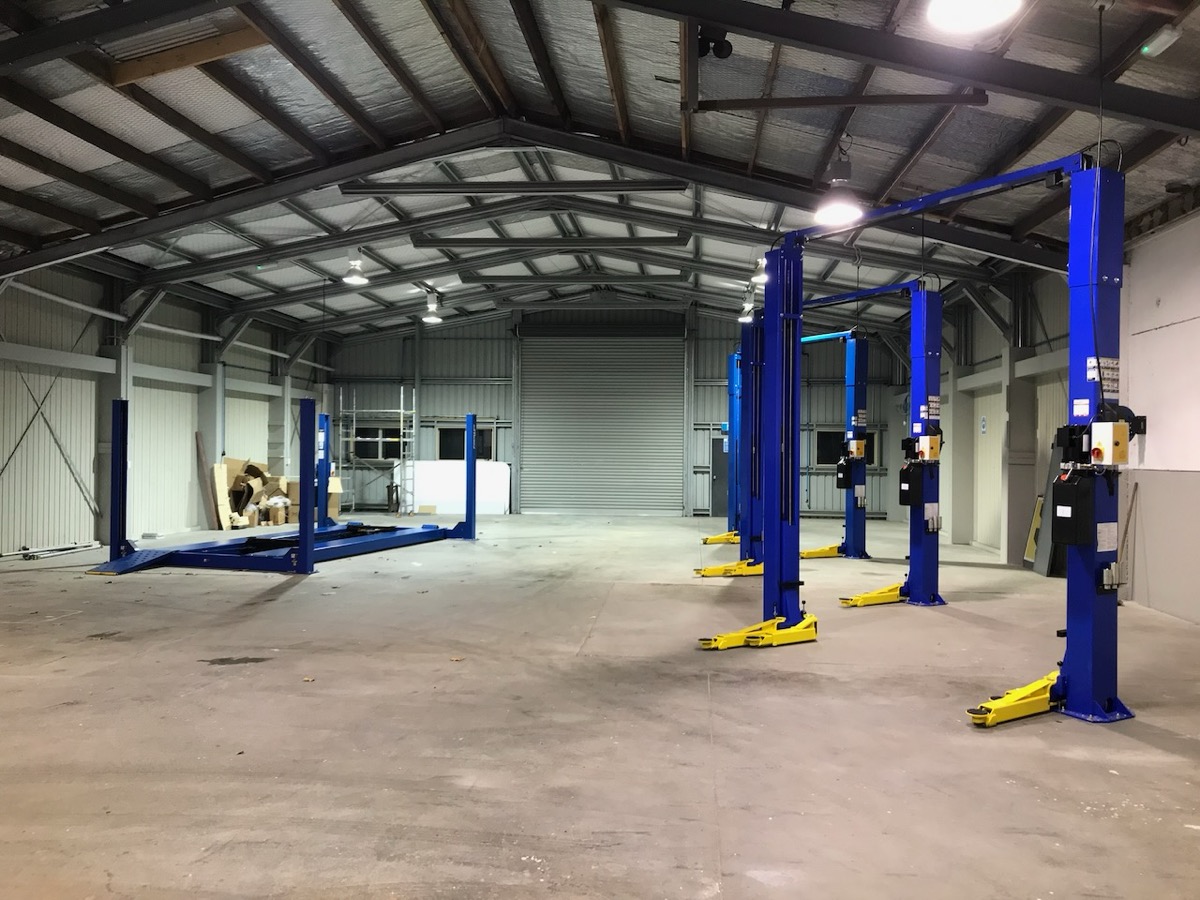
Our in-house installation capability is deliberately specialised.
Our primary installation vehicle is custom-built specifically for hoist work on a compact 6-tonne Isuzu platform. Despite its modest footprint — under six metres long and 2.7 metres high — it carries a Hiab crane, three-phase generator, hydraulic oil, and precision tooling required for accurate installation and commissioning. Standard machines such as two-post hoists can be delivered, installed, and commissioned directly from the truck.
This compact size matters. Many workshops are space-constrained, and a smaller vehicle reduces disruption to workflow during installation.
For larger components and machines, we operate a dedicated heavy-duty installation trailer, allowing us to handle substantial equipment safely and methodically.
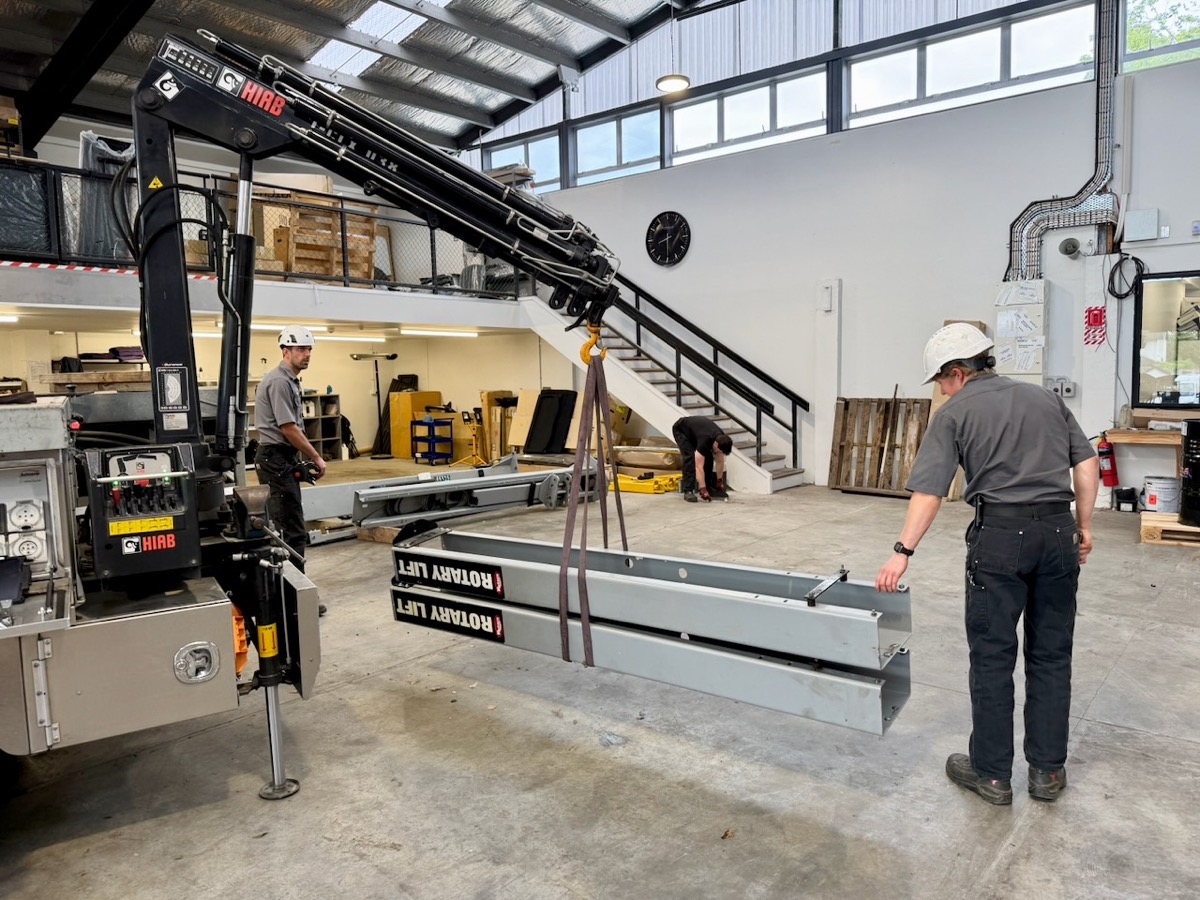
Not all installations are routine — and heavy equipment should never be treated as such.
We regularly work with larger systems including wireless mobile column hoists, heavy-duty truck and bus hoists, and pantograph platform lifts operating individually or in paired configurations. These installations are approached as planned projects, with lift methodology, access, sequencing, and safety managed deliberately.
Where equipment size or site conditions demand it, we coordinate appropriately sized hired plant to suit the project and ensure completion to a high standard.
We also draw on closely aligned sister companies, owned and operated by family members in related technical fields. This gives us access to additional experienced manpower and specialised expertise when required, allowing us to scale smoothly without diluting standards or accountability.
The result is extraordinary capability scale — without improvisation, shortcuts, or loss of control.
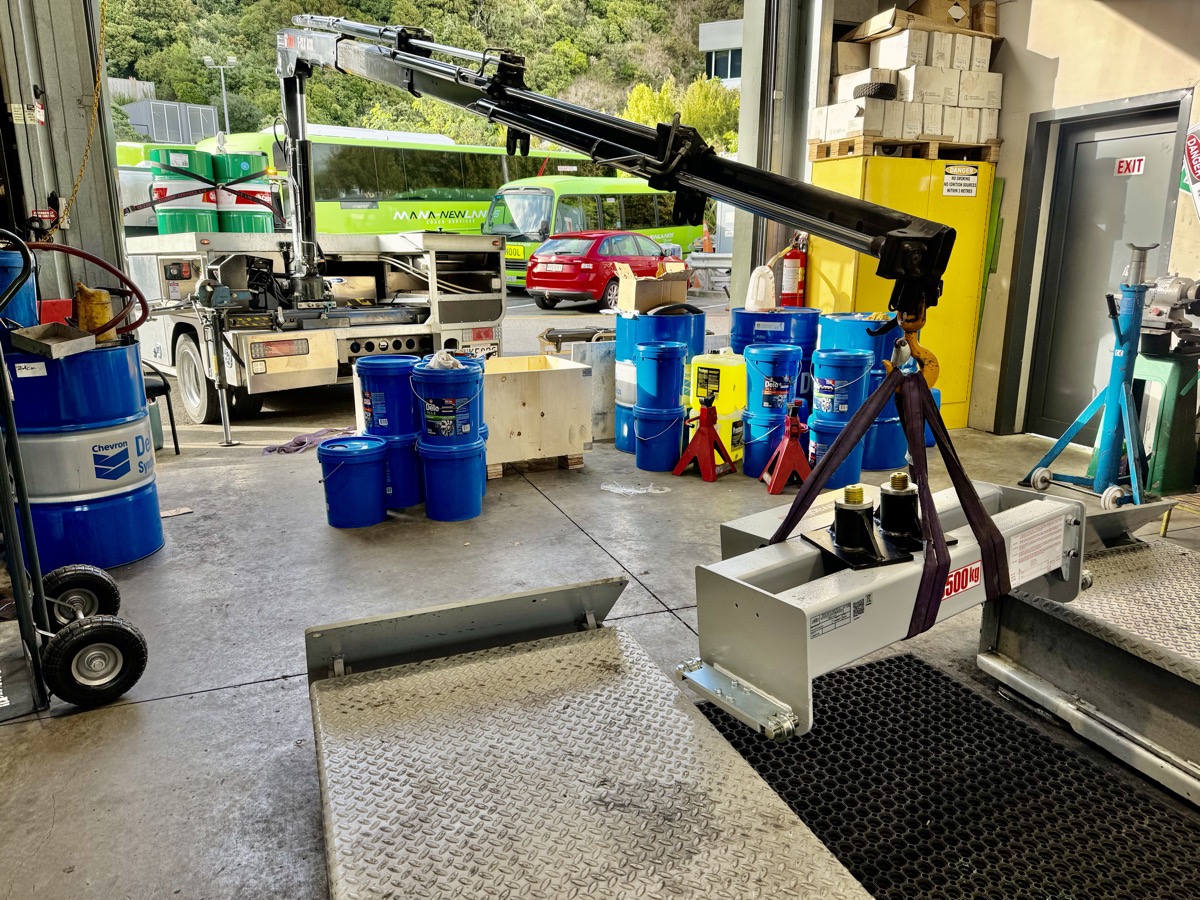
Relocating a hoist is not simply a matter of unbolting and rebolting.
A move requires the same care as a new installation — and often more, particularly where earlier work may have cut corners. Foundations, anchoring, alignment, and system setup must all be reassessed.
We treat relocations with the same care as new deployments, ensuring equipment is recommissioned correctly in its new location.
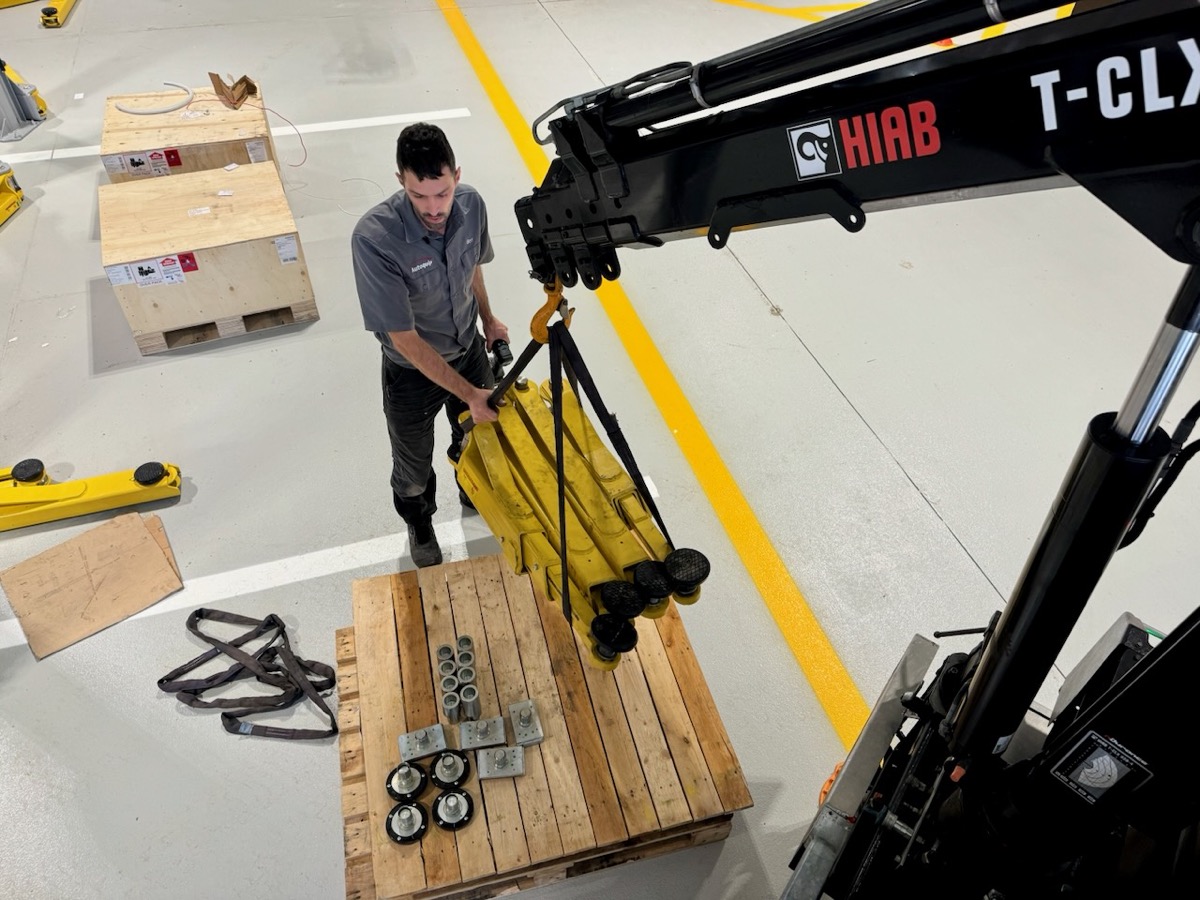
Every installation concludes with full commissioning, operator orientation, and documentation.
Controls, safety systems, and operating limits are verified, and your team is briefed on correct use and basic care. You don’t just receive installed equipment — you receive equipment that’s ready to work safely from day one.
Planning a new installation or relocation?
Talk to us early. Good installations are designed, not rushed — and early involvement prevents expensive corrections later.
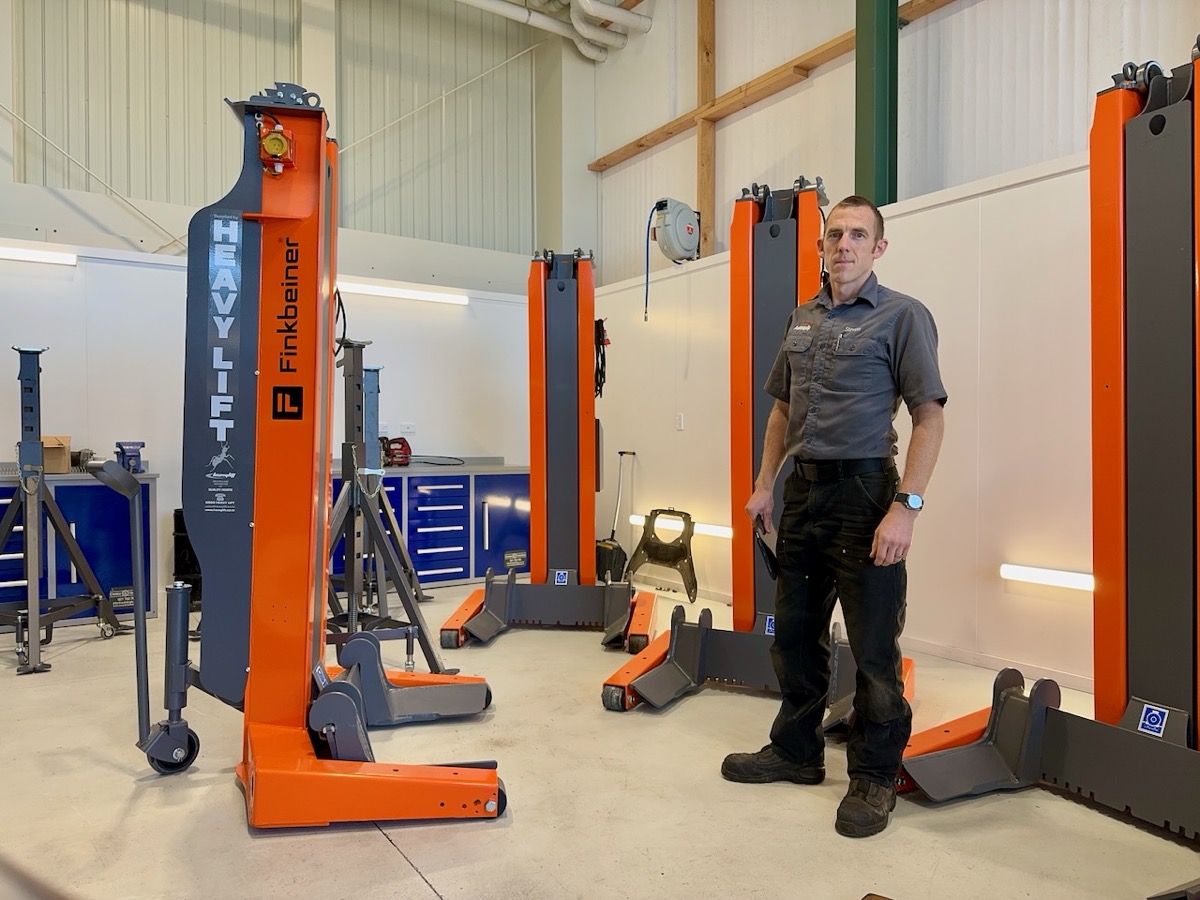
Equipment deployed across the lower North Island.